
I Saved a Building in North Adams. Rent Control Would Have Stopped Me.
We can lower rents with abundant housing — not caps that create blight.

When high income inequality collides with financial stress, political sparks fly. The top 1% received 23% of national income in 1928; unemployment peaked at 25% in 1933. Today, the top 1% receive 20-22% of national income, the biggest haul since. Last week, the Wall Street Journal sounded the alarm on financial stress finding 13.1% of credit card balances 90+ days delinquent. These are not “Great Depression” levels of financial stress, but they have not occurred since the ‘08 financial crisis. To add insult to injury, today’s magnates are racing to Mars and buying bunkers in New Zealand. Why not build a library instead? Of course people are upset about rent.
Now more than ever, we need real solutions to bring down rent. Rent control is not one of them. We tried it in Massachusetts from 1970 to 1994. Buildings fell into disrepair and the number of rental apartments declined. Property values of controlled buildings were depressed by 20-45%–reducing municipal property tax revenues. Tenants stopped moving, blocking new renters and apartment-switchers. Unlike New York, we learned from our mistakes and banned rent control. We risk re-learning this hard fought lesson this November. The most severe rent control in our state’s history is clearing hurdles to make it onto the ballot.
North Adams, and other gateway cities, will be the first to see rent control induced blight. The housing stock is old, even by Massachusetts standards, mostly built between 1880 and 1900. Forget about “in five years,” these buildings need work now. The only way this happens is if rents cover renovation cost. If rents are capped, goodbye renovation.
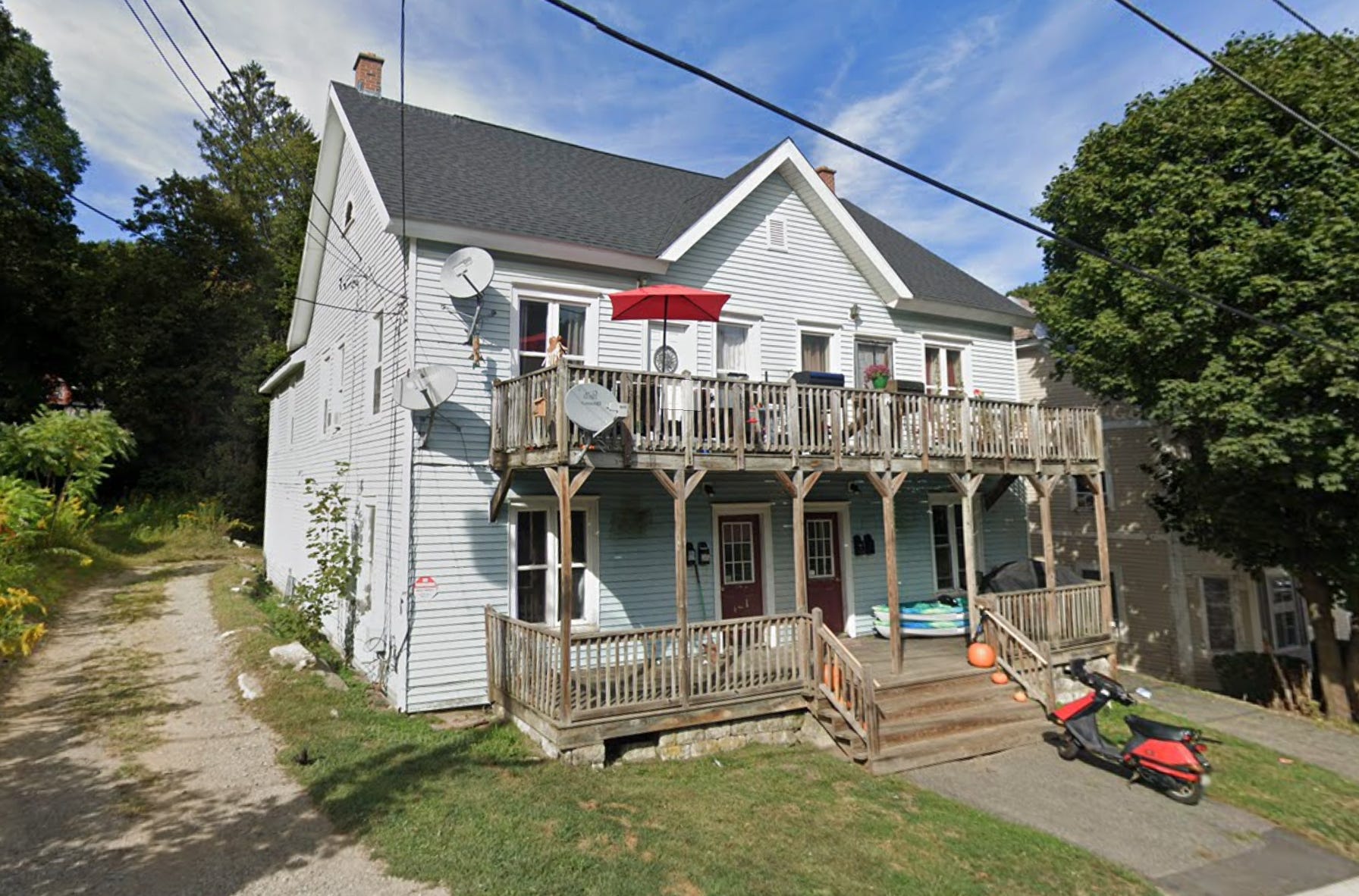
Let’s walk through an example close to my heart: 55-57 Hall Street, North Adams. I do real estate development. This was my most recent project. It’s a four-family built 126 years ago. One apartment was condemned, the center of the building was sinking, the support columns in the basement were rusting out, moisture permeated, two chimneys were on the verge of collapse, rodents infested the basement and trash area, the front lawn had thousands of cigarette butts, and two drug dealers were dishing meth and other substances. The non-criminal tenants were terrified of their neighbors and kept silent for fear of retribution. This building was in bad shape. Over the course of three months, I spent $40,000 and my labor to resolve each of these issues. The drug dealers were replaced with a teacher and childcare business owner. The residents and next-door neighbors started feeling safe. This was not charity. Over time, the market-rate rents will pay back the renovation cost. If rents were stuck, it would have been a loss of time and capital. The alternative wasn't cheap stable housing, it was a condemned building and neighbors living next to a meth operation.
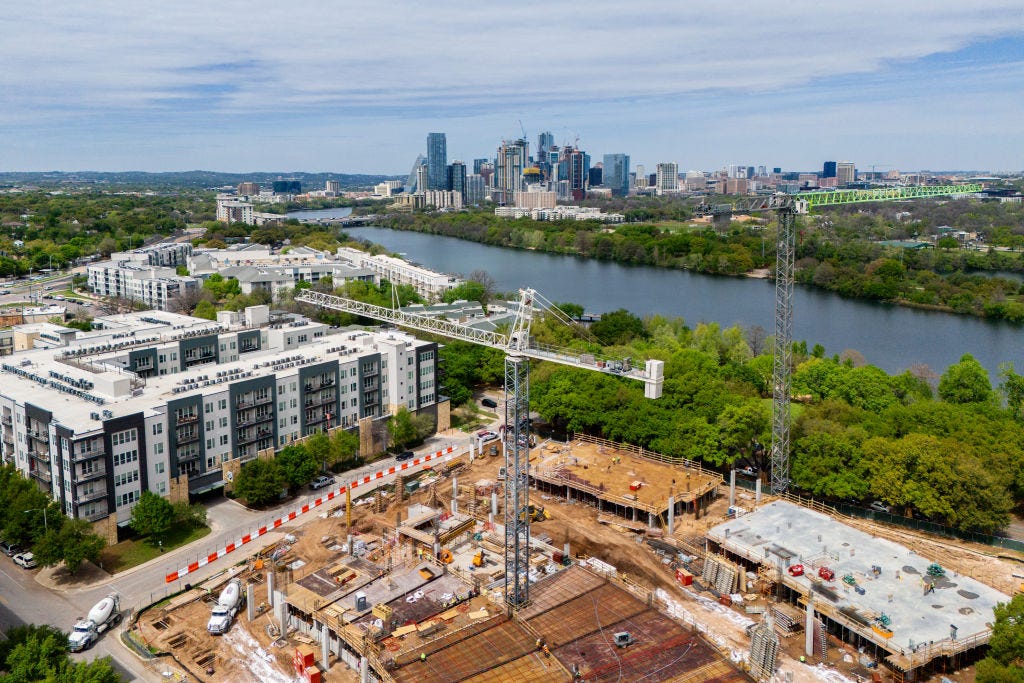
There are alternatives to rent control that work. Highly desirable places like Austin and Minneapolis kept or lowered rents while maintaining high standards of living. Austin reduced rents by 19% from its peak. Their secret? They increased the housing supply by 14%. Minneapolis saw rents rise by only 1% while the rest of Minnesota rose 14%. They did this by increasing housing supply by 12%. The primary barriers, many of which Austin and Minneapolis tackled, are the following:
Restrictive zoning and parking minimums. Rules that forbid converting a single-family home or empty lot into an apartment building, and force parking that often can’t physically fit.
The threat of rent control itself. Uncertainty over future caps makes lenders and developers wary of financing new construction and major renovations.
Post-1990s fire code. Sprinkler systems, two interior stairways, fire-rated materials. The sprinkler mandate alone made a fourth unit financially impossible in a three-unit North Adams building I own — so the apartment never got built.
Post-2000s energy code. Continuous insulation, air-sealing (which then forces mechanical ventilation), high-performance windows, and mandatory efficiency testing — each adding thousands per project before a tenant moves in.
Cheap holding costs for speculators. Owners sit on vacant buildings and lots indefinitely at little cost, keeping usable property off the market. A vacancy tax would push them to build or sell.
Today’s onerous fire and energy codes far surpass those of the 1980s, when housing was far more affordable. Altogether, the National Association of Home Builders found regulation accounts for 40.6% of multifamily construction cost.
Rent control won’t lower your rent. It will hollow out the very buildings renters live in — the way it emptied Massachusetts apartments for 24 years. The teacher and childcare business owner on Hall Street found homes because the building was cleaned up, not because rent was frozen. Vote no in November. We can lower rents the way Austin and Minneapolis did — by building — and keep North Adams’ comeback going.